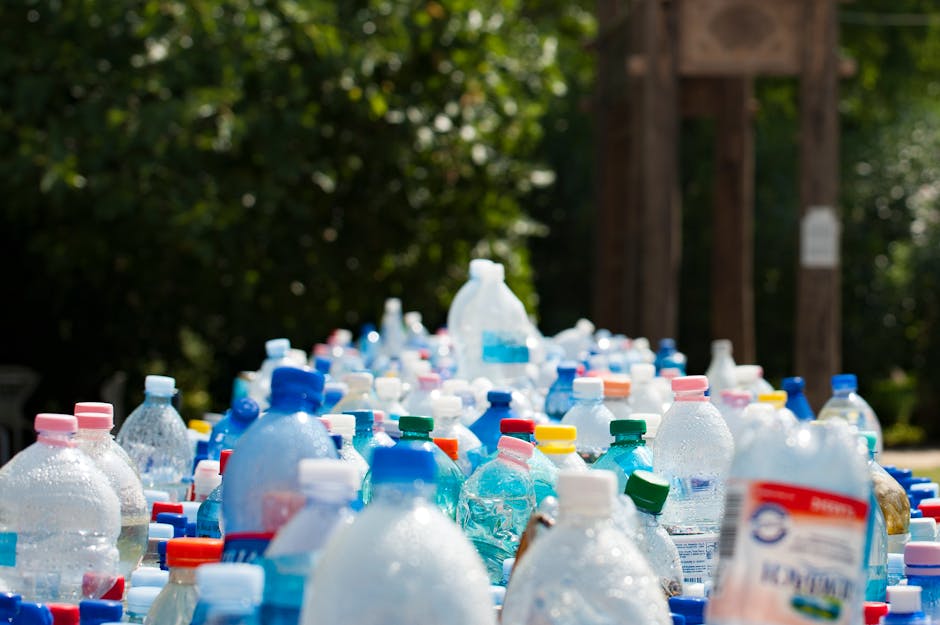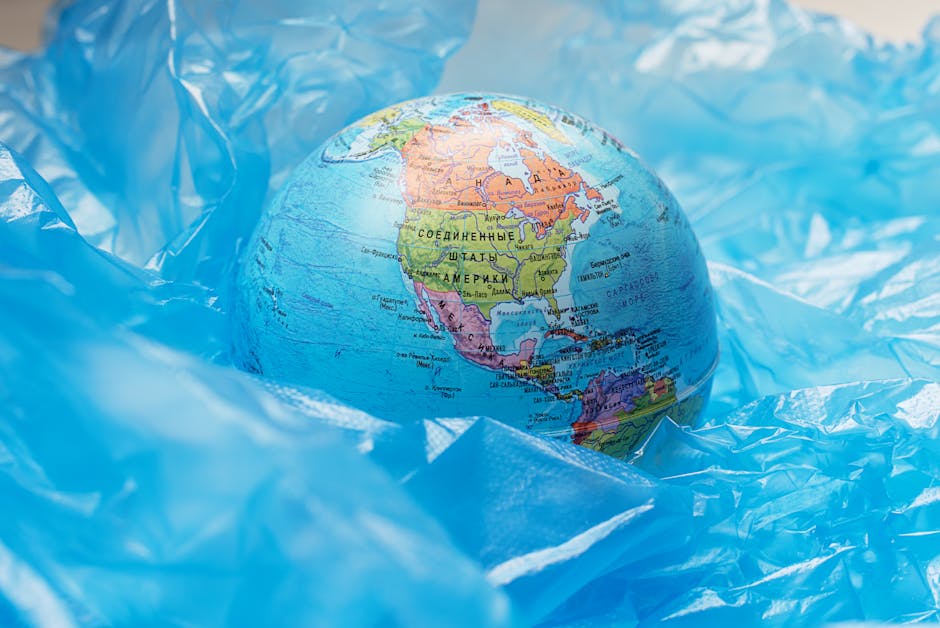
Plastic recycling has become an essential practice in today’s world as we strive to reduce our plastic footprint and combat the environmental impacts of plastic waste. With the increasing awareness of the harmful effects of plastic on our planet, individuals and businesses are looking for sustainable practices to minimize their plastic consumption and disposal. By implementing plastic eco ideas and embracing plastic recycling, we can make a significant difference in reducing plastic waste and creating a more sustainable future.
### The Importance of Plastic Recycling
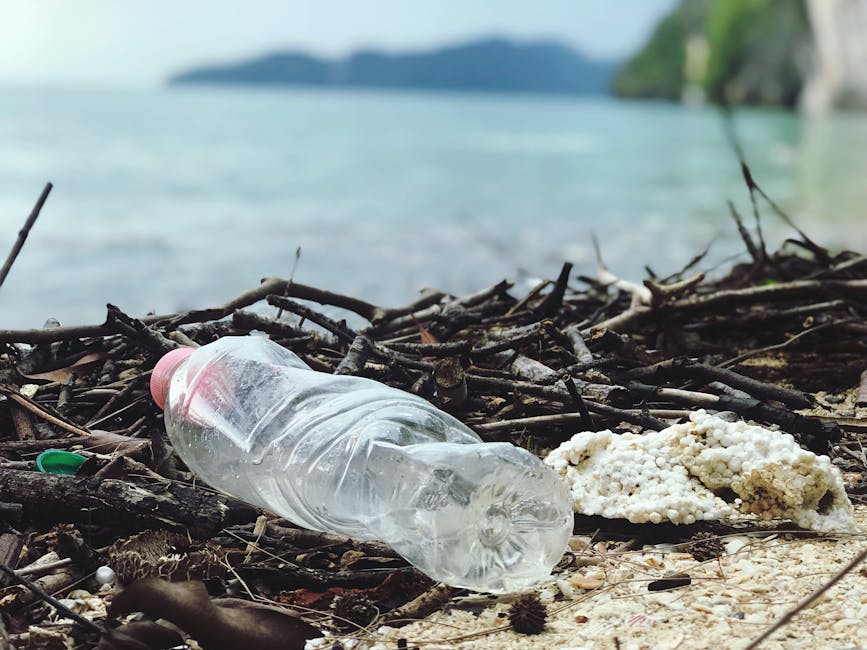
Plastic waste is a major environmental issue that poses a significant threat to our ecosystems and wildlife. The production and disposal of plastic products contribute to pollution, habitat destruction, and greenhouse gas emissions. By recycling plastic, we can divert plastic waste from landfills and incinerators, conserve natural resources, and reduce the carbon footprint associated with plastic production.
### Plastic Recycling Process
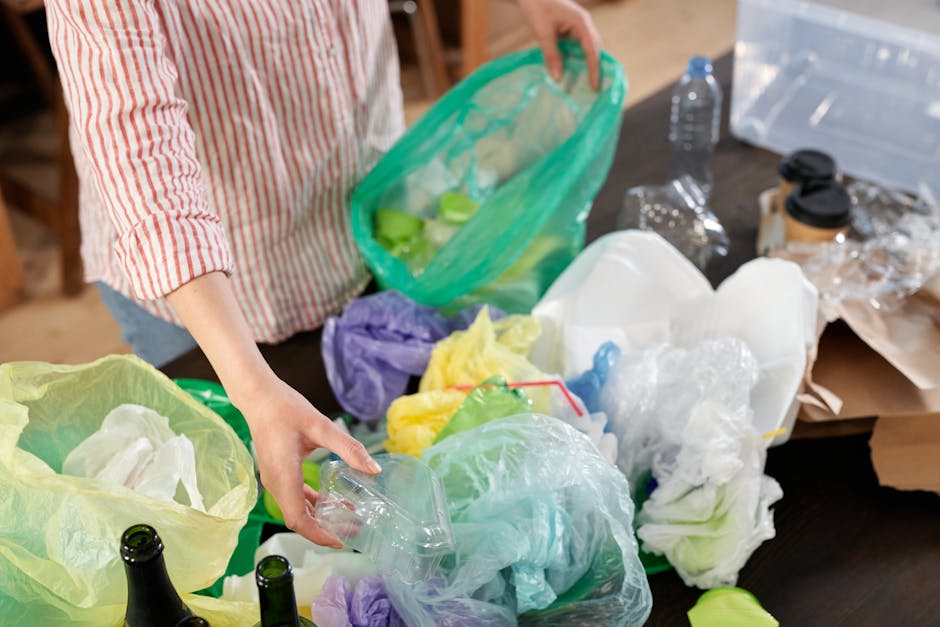
Plastic recycling involves collecting, sorting, cleaning, and processing plastic waste to create new products. The recycling process begins with the collection of plastic materials, which are then sorted based on their type and quality. Once sorted, the plastic is cleaned to remove any contaminants before being melted down and reshaped into pellets or flakes. These recycled materials can then be used to manufacture a wide range of products, including packaging, furniture, clothing, and construction materials.
### Plastic Eco Ideas for Reducing Plastic Footprint
To reduce our plastic footprint, it is essential to adopt plastic eco ideas that promote sustainable practices and alternatives to single-use plastics. Some eco-friendly alternatives to plastic include using reusable bags, bottles, and containers, opting for products with minimal or biodegradable packaging, and choosing products made from recycled materials. By making small changes in our daily habits and choices, we can significantly reduce our reliance on plastic and minimize our impact on the environment.
### Benefits of Plastic Recycling
There are numerous benefits to recycling plastic beyond reducing our plastic footprint. Recycling plastic helps conserve natural resources, such as oil and gas, which are used in the production of plastic materials. It also saves energy and reduces greenhouse gas emissions by decreasing the demand for new plastic production. Additionally, recycling plastic helps create a circular economy where materials are reused and repurposed, reducing the need for virgin materials and minimizing waste generation.
### Challenges and Solutions in Plastic Recycling
While plastic recycling offers many benefits, there are also challenges that need to be addressed to improve the efficiency and effectiveness of recycling programs. One of the main challenges is the lack of infrastructure and resources for collecting and processing plastic waste. To overcome this challenge, it is essential to invest in recycling facilities, improve collection and sorting systems, and educate the public about the importance of recycling.
### Conclusion
In conclusion, plastic recycling is a crucial practice for reducing our plastic footprint and protecting the environment. By embracing plastic eco ideas, adopting sustainable practices, and supporting recycling initiatives, we can make a positive impact on our planet and create a more sustainable future for generations to come. Together, we can work towards a world where plastic waste is minimized, and resources are conserved for the benefit of all. Let’s make a commitment to reduce our plastic footprint and make a difference in the fight against plastic pollution.