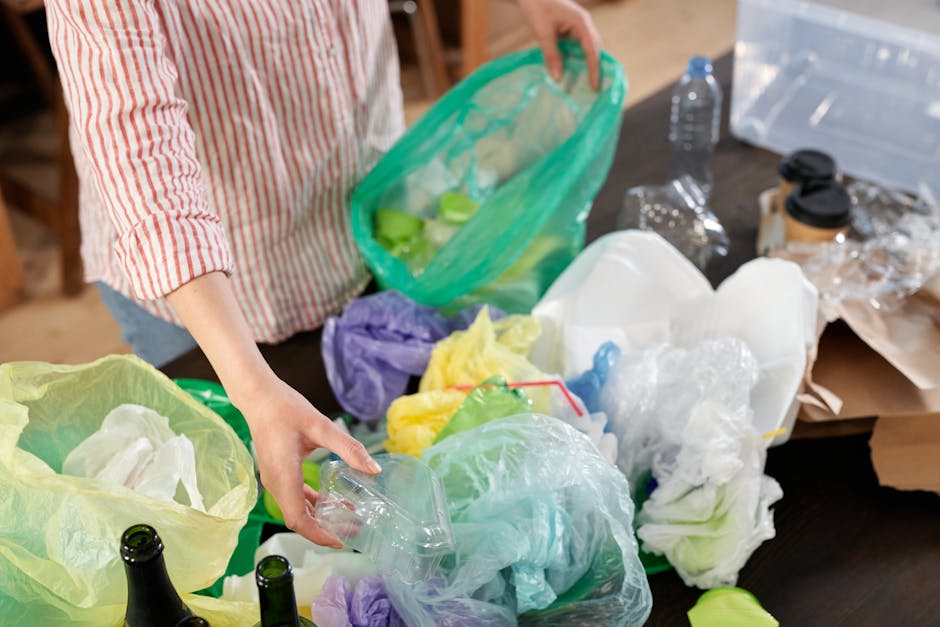
Plastic recycling has become a pressing issue in recent years as the world grapples with the environmental impact of plastic waste. With landfills overflowing and oceans becoming increasingly polluted, finding innovative and trendsetting approaches to plastic recycling is more important than ever. Fortunately, there are a variety of creative solutions and eco-friendly ideas that are changing the way we think about plastic waste. From upcycling to biodegradable alternatives, these approaches are paving the way for a more sustainable future.
### Upcycling: Transforming Plastic Waste into New Products
One trendsetting approach to plastic recycling is upcycling, which involves taking discarded plastic materials and repurposing them into new products. This process not only reduces the amount of plastic waste that ends up in landfills or oceans but also gives new life to materials that would otherwise be discarded. Companies and individuals around the world are finding innovative ways to upcycle plastic waste, turning it into everything from furniture and clothing to building materials and art.
### Biodegradable Alternatives: Reducing the Impact of Plastic Waste
Another trendsetting approach to plastic recycling is the development of biodegradable alternatives to traditional plastics. These materials are designed to break down naturally in the environment, reducing the long-term impact of plastic waste on ecosystems. Biodegradable plastics can be made from a variety of sources, including plant-based materials like cornstarch and sugarcane. By using these alternatives in place of traditional plastics, we can help mitigate the environmental damage caused by plastic waste.
### Community-Based Recycling Programs: Engaging the Public in Plastic Recycling
Community-based recycling programs are another trendsetting approach to plastic recycling that is gaining traction around the world. These programs involve local communities coming together to collect, sort, and recycle plastic waste in a sustainable and environmentally friendly manner. By engaging the public in the recycling process, these programs help raise awareness about the importance of plastic recycling and empower individuals to make a positive impact on the environment.
### Innovative Recycling Technologies: Advancing the Future of Plastic Recycling
Advances in technology are also driving trendsetting approaches to plastic recycling. From chemical recycling processes that break down plastics into their original components for reuse to mechanical recycling methods that convert plastic waste into new products, these innovative technologies are revolutionizing the way we recycle plastic. By investing in and supporting these cutting-edge solutions, we can create a more efficient and sustainable system for managing plastic waste.
### Collaborative Partnerships: Working Together to Tackle Plastic Waste
Finally, collaborative partnerships are essential for implementing trendsetting approaches to plastic recycling. By bringing together governments, businesses, nonprofit organizations, and individuals, we can create a unified front against plastic waste. These partnerships can help drive innovation, foster knowledge sharing, and provide the resources needed to scale up sustainable recycling efforts. By working together, we can make a real difference in reducing the environmental impact of plastic waste.
In conclusion, trendsetting approaches to plastic recycling are vital for addressing the growing problem of plastic waste. From upcycling and biodegradable alternatives to community-based programs and innovative technologies, there are many creative solutions that are changing the way we think about plastic recycling. By embracing these approaches and working together to tackle plastic waste, we can create a more sustainable future for generations to come.