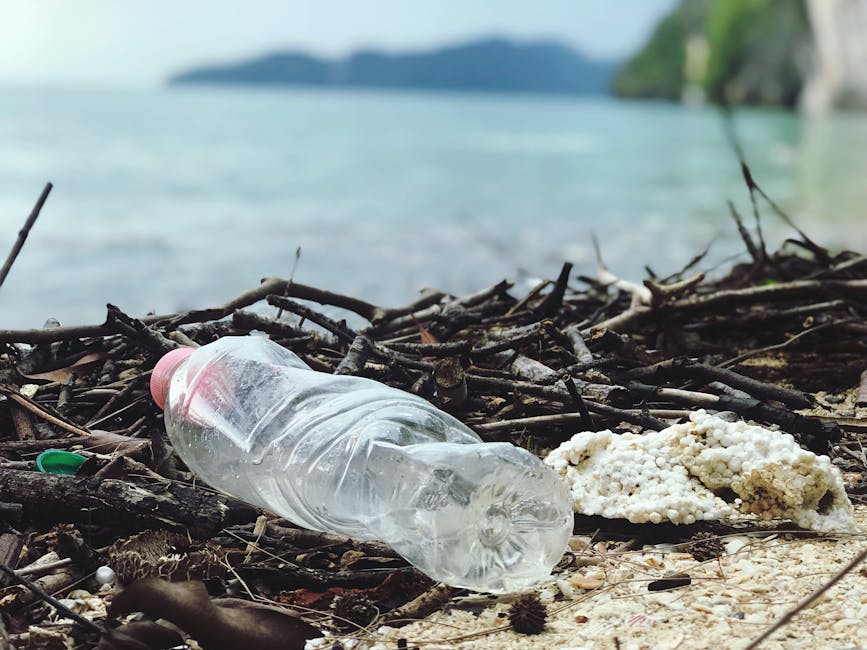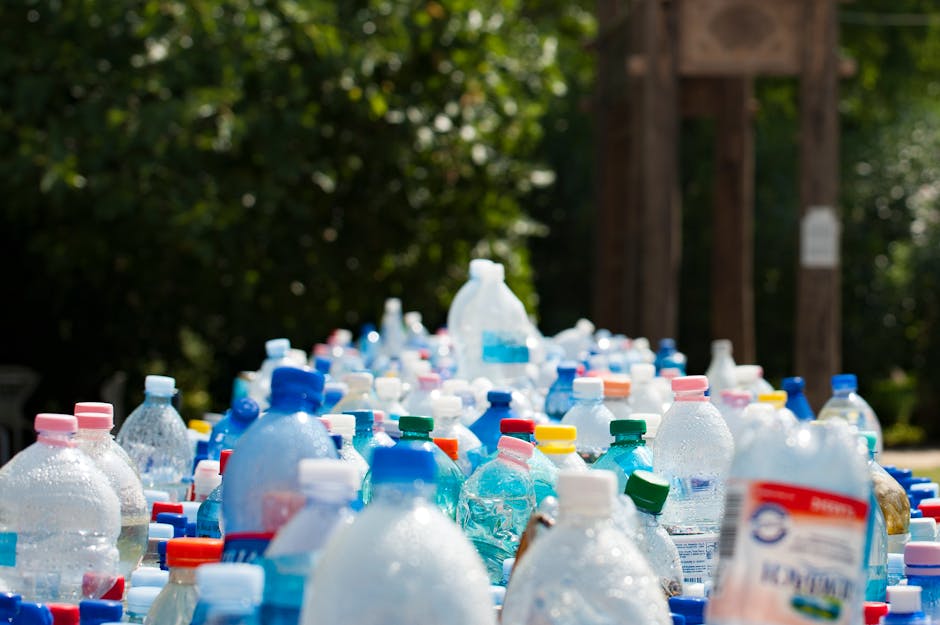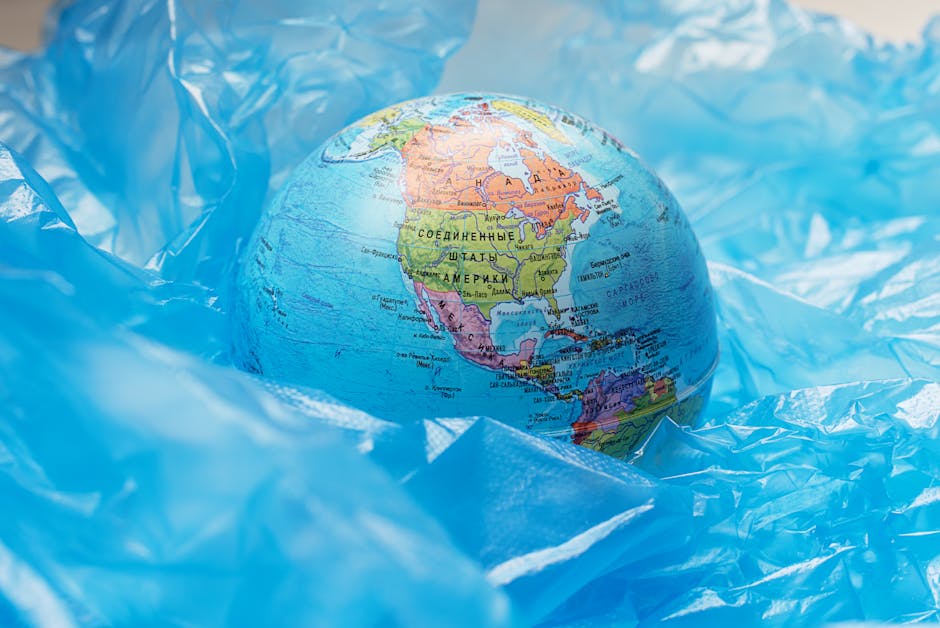
Plastic recycling has become more important than ever as the world grapples with the environmental impact of plastic waste. In particular, plastic bags have emerged as a major contributor to pollution and litter. These single-use items can take hundreds of years to decompose, clogging up landfills and harming wildlife in the process. However, there are eco-conscious ways to recycle plastic bags and reduce their negative impact on the environment.
### Reuse and Repurpose
One of the most effective ways to recycle plastic bags is to simply reuse them. Instead of throwing them away after a single use, consider using them multiple times for shopping, storage, or other purposes. You can also get creative and repurpose plastic bags into new items. For example, you can weave them into a durable mat, use them as padding for delicate items, or even turn them into colorful decorations. By finding new uses for plastic bags, you can extend their lifespan and reduce the amount of waste that ends up in landfills.
### Plastic Bag Recycling Programs
Many communities offer plastic bag recycling programs that make it easy to dispose of plastic bags in an eco-friendly way. These programs typically involve collection bins at local grocery stores or other convenient locations where you can drop off your used plastic bags for recycling. The collected bags are then sent to recycling facilities where they are processed and turned into new products. By participating in these programs, you can ensure that your plastic bags are being recycled properly and diverted from the waste stream.
### Upcycling Projects
If you’re feeling crafty, consider taking on an upcycling project using plastic bags. Upcycling involves transforming old or unwanted materials into new and useful items, giving them a new lease on life. With plastic bags, you can create a wide range of upcycled products, such as tote bags, wallets, jewelry, and even home decor. There are plenty of online tutorials and DIY guides that can help you get started with upcycling plastic bags. Not only will you be reducing waste, but you’ll also be creating unique and personalized items that showcase your creativity.
### Composting Biodegradable Bags
While traditional plastic bags can take centuries to decompose, there are biodegradable alternatives that break down much faster. These biodegradable bags are typically made from plant-based materials like cornstarch or sugarcane and are designed to decompose in a composting environment. If you have access to a compost bin or facility, you can dispose of biodegradable bags along with your organic waste. As they break down, they release valuable nutrients into the soil, enriching it and supporting plant growth. By composting biodegradable bags, you can reduce the amount of plastic waste in landfills and support sustainable waste management practices.
### Avoiding Plastic Bags Altogether
Of course, the best way to recycle plastic bags is to avoid using them in the first place. By making a conscious effort to reduce your reliance on plastic bags, you can significantly decrease the amount of plastic waste you generate. Instead of using plastic bags for shopping, bring your own reusable bags made from durable materials like canvas or jute. Many retailers now offer incentives for customers who bring their own bags, such as discounts or loyalty points. By making the switch to reusable bags, you can help reduce the demand for plastic bags and minimize their impact on the environment.
In conclusion, plastic recycling is crucial for reducing the environmental impact of plastic waste, and plastic bags are no exception. By implementing eco-conscious ways to recycle plastic bags, such as reusing and repurposing them, participating in recycling programs, upcycling them into new products, composting biodegradable bags, and avoiding them altogether, you can help minimize the negative effects of plastic waste on the planet. With a little creativity and commitment, you can make a positive impact on the environment and contribute to a more sustainable future.