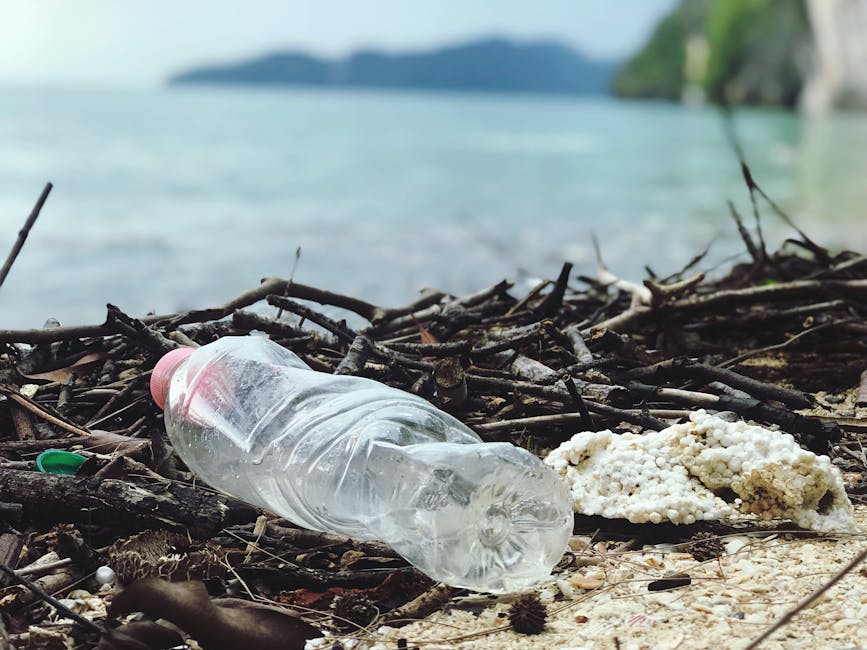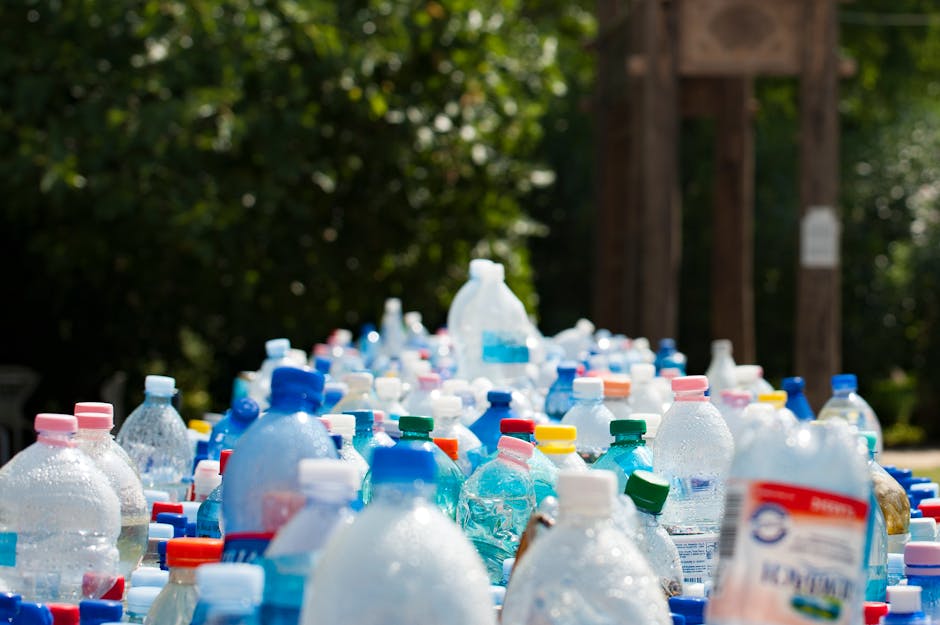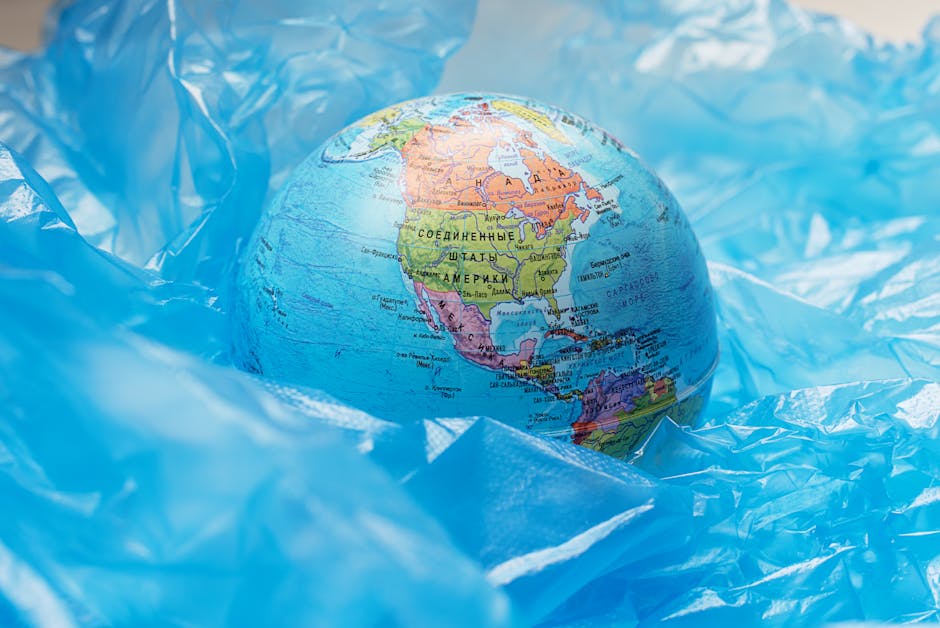
Innovative plastic recycling technologies are revolutionizing the way we deal with plastic waste and paving the way for a more sustainable future. As the global plastic crisis continues to escalate, finding solutions to effectively recycle and repurpose plastic waste has become more crucial than ever. Fortunately, cutting-edge technologies in plastic recycling are offering promising alternatives to traditional methods, helping to reduce the environmental impact of plastic pollution. From advanced sorting systems to chemical recycling processes, these technologies are driving the shift towards a circular economy where plastic waste is transformed into valuable resources. Let’s explore some of the most exciting developments in plastic recycling and how they are shaping a greener tomorrow.
Advanced Sorting Technologies: Enhancing Efficiency and Accuracy
One of the key challenges in plastic recycling has been the efficient sorting of different types of plastics for recycling. Traditional recycling processes rely on manual sorting, which can be time-consuming, labor-intensive, and prone to errors. However, advanced sorting technologies such as near-infrared (NIR) spectroscopy and robotics are revolutionizing the sorting process, making it faster, more accurate, and cost-effective.
NIR spectroscopy utilizes infrared light to identify and sort different types of plastics based on their chemical composition. This technology can quickly differentiate between various plastics, enabling automated sorting systems to separate them with high precision. Robotics further enhance the efficiency of sorting by automating the process and reducing human error. These cutting-edge technologies not only streamline the recycling process but also increase the quality and purity of recycled plastics, making them more valuable for manufacturers.
Chemical Recycling: Transforming Plastic Waste into Raw Materials
While mechanical recycling has been the traditional method of recycling plastics, it has its limitations, especially with complex or contaminated plastic waste. Chemical recycling, on the other hand, offers a more sustainable solution by breaking down plastics into their original monomers or converting them into feedstock for new products. This process allows for the recycling of plastics that are difficult to recycle through mechanical means, such as multilayer packaging or mixed plastics.
One innovative chemical recycling technology is pyrolysis, which involves heating plastic waste in the absence of oxygen to break it down into gas, liquid, and solid products. These products can then be used as raw materials for the production of new plastics, fuels, or chemicals. Another promising technology is depolymerization, which breaks down plastics into their monomers for reuse in the production of virgin-quality plastics. These chemical recycling methods not only offer a more sustainable alternative to landfilling or incineration but also reduce the demand for fossil fuels in the production of new plastics.
Plastic Eco Ideas: Promoting Sustainable Practices
In addition to advanced recycling technologies, plastic eco ideas are also playing a crucial role in promoting sustainable practices and reducing plastic waste. These ideas encompass a wide range of initiatives, from reducing single-use plastics to promoting reusable alternatives and fostering a circular economy mindset.
One popular eco idea is the concept of “precycling,” which encourages consumers to make mindful purchasing decisions to minimize plastic waste. By choosing products with minimal packaging or opting for reusable containers, individuals can reduce their plastic footprint and contribute to a greener environment. Other eco ideas include upcycling plastic waste into creative products, promoting plastic-free initiatives in communities, and supporting businesses that prioritize sustainable packaging solutions.
Conclusion
As the world grapples with the challenges of plastic pollution, cutting-edge technologies in plastic recycling are offering innovative solutions to mitigate the environmental impact of plastic waste. From advanced sorting systems to chemical recycling processes, these technologies are transforming the way we recycle plastics and paving the way for a more sustainable future. By embracing plastic eco ideas and supporting sustainable practices, we can all play a part in reducing plastic waste and creating a cleaner, healthier planet for future generations. Together, we can turn the tide on the plastic crisis and build a more circular economy where plastic waste is a valuable resource rather than a burden.