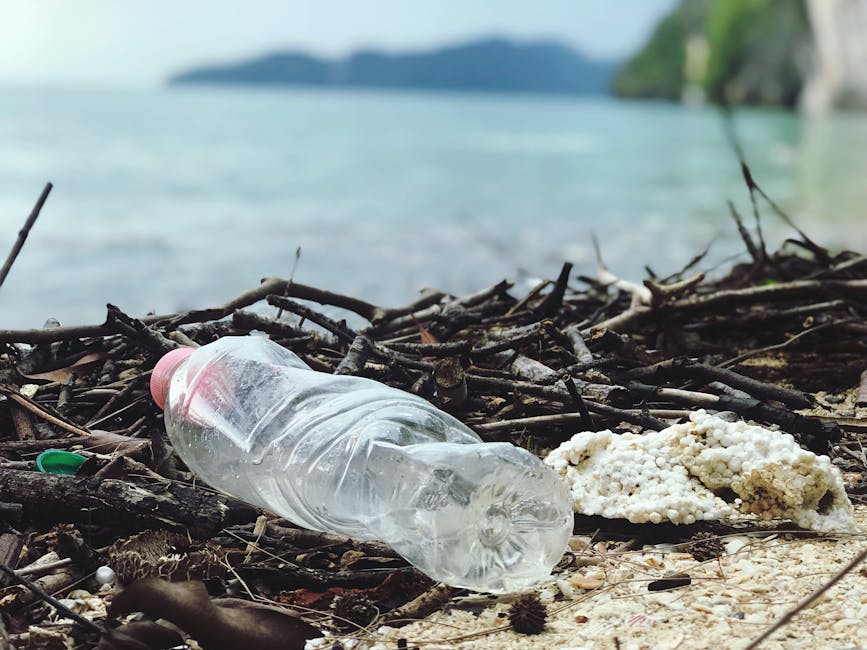
Plastic waste has become a significant environmental issue worldwide, with millions of tons of plastic ending up in landfills, oceans, and natural habitats each year. In response to this crisis, plastic recycling has emerged as a crucial solution to reduce the impact of plastic pollution on the planet. While many people are familiar with the basics of plastic recycling, there are some best-kept secrets of plastic recycling experts that can help individuals and businesses make a more meaningful impact on the environment. By incorporating these insider tips and tricks into their recycling practices, everyone can play a part in creating a more sustainable future.
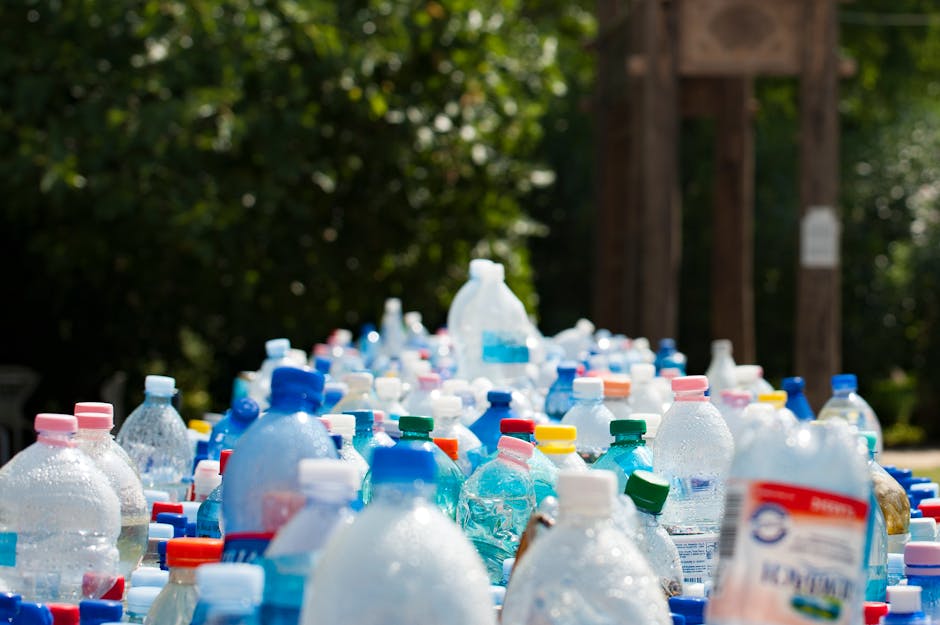
One of the best-kept secrets of plastic recycling experts is the importance of knowing the different types of plastics. Not all plastics are created equal, and each type requires a specific recycling process. The most commonly recycled plastics are PET (polyethylene terephthalate) and HDPE (high-density polyethylene), which are used in items such as water bottles and milk jugs. By familiarizing yourself with the resin identification codes found on plastic products, you can ensure that you are recycling them correctly. This simple step can help prevent contamination in the recycling stream and ensure that the plastic is processed efficiently.
Another secret of plastic recycling experts is the significance of cleaning and preparing plastic items before recycling them. Contaminants such as food residue, labels, and caps can interfere with the recycling process and reduce the quality of the recycled plastic. To avoid this, experts recommend rinsing out plastic containers, removing labels, and separating caps from bottles before placing them in the recycling bin. By taking the time to properly clean and prepare your plastic waste, you can help maximize the amount of plastic that is successfully recycled and minimize the chances of it being sent to a landfill.
In addition to proper preparation, plastic recycling experts also emphasize the importance of supporting local recycling facilities and programs. Many communities have recycling centers that accept a wide range of plastic items, including those that may not be accepted by curbside recycling programs. By taking the extra step to drop off your plastic waste at a local facility, you can ensure that it is recycled responsibly and efficiently. Supporting local recycling initiatives also helps create a demand for recycled plastic products, which can further incentivize manufacturers to use recycled materials in their production processes.
One of the most innovative secrets of plastic recycling experts is the concept of upcycling. Upcycling involves repurposing plastic waste into new and useful products, rather than simply recycling it into raw materials. This creative approach not only reduces the amount of plastic that ends up in landfills but also showcases the potential for plastic to be transformed into valuable resources. From turning plastic bottles into planters to using plastic bags to create durable textiles, upcycling offers endless possibilities for giving new life to discarded plastic items. By exploring upcycling ideas and projects, individuals can discover innovative ways to reduce their plastic footprint and contribute to a more sustainable future.
In conclusion, plastic recycling experts have a wealth of knowledge and insights that can help individuals and businesses make a positive impact on the environment. By understanding the different types of plastics, properly preparing plastic items for recycling, supporting local recycling programs, and exploring upcycling opportunities, everyone can play a role in reducing plastic waste and promoting sustainability. By incorporating these best-kept secrets into their recycling practices, individuals can contribute to a cleaner, greener planet for future generations. Let’s all work together to turn plastic eco ideas into reality and make a difference in the fight against plastic pollution.