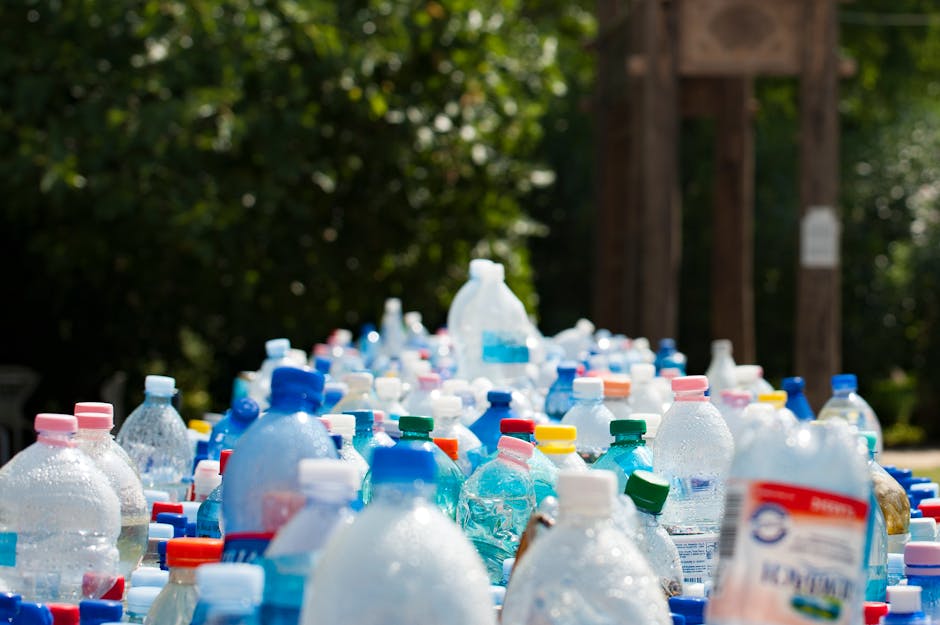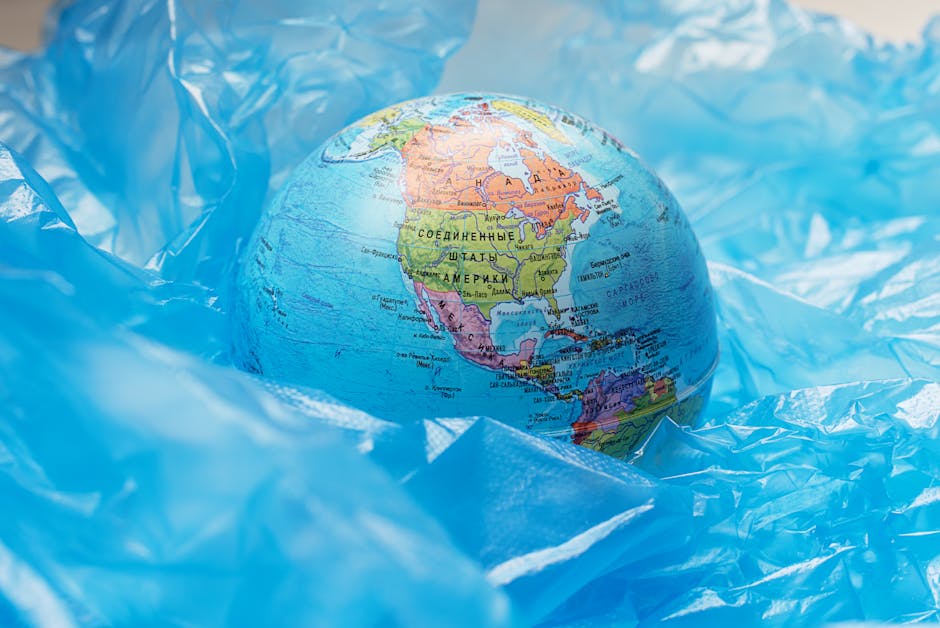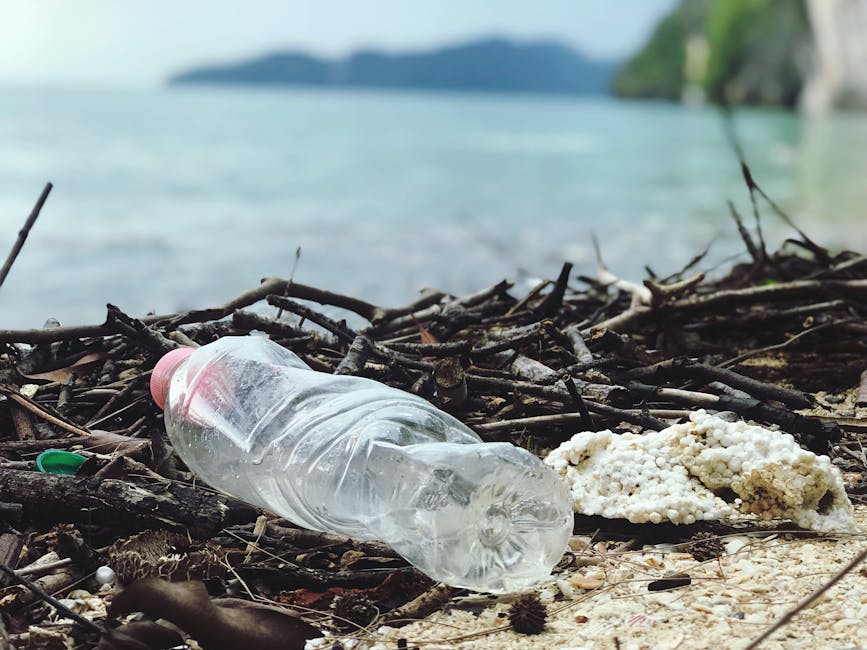
Plastic waste has become a pressing environmental issue in recent years, with millions of tons of plastic ending up in landfills and oceans every year. While recycling is an important part of the solution, finding ways to prevent plastic waste in the first place is crucial. In this article, we will explore next-level ideas for plastic waste prevention that go beyond traditional recycling methods. By implementing these innovative and eco-friendly ideas, we can reduce our reliance on single-use plastics and create a more sustainable future for our planet.
### Reusable Packaging Solutions
One of the most effective ways to prevent plastic waste is to invest in reusable packaging solutions. Instead of relying on single-use plastic containers and bags, businesses and consumers can opt for durable, reusable alternatives. For example, companies can use refillable containers for products like shampoo, laundry detergent, and cleaning supplies. Consumers can also bring their own reusable bags and containers when shopping to reduce the need for disposable plastic packaging. By making small changes to our packaging habits, we can significantly reduce the amount of plastic waste generated.
### Plastic-Free Shopping
Another next-level idea for plastic waste prevention is to support plastic-free shopping initiatives. Many stores and markets are now offering plastic-free alternatives for everyday products. Customers can bring their own containers to fill up on items like grains, nuts, and spices, reducing the need for plastic packaging. Some stores even encourage shoppers to bring their own reusable jars and bags by offering discounts or rewards for doing so. By supporting plastic-free shopping initiatives, we can help drive demand for sustainable packaging options and reduce our reliance on plastic.
### Biodegradable Plastics
While traditional plastics can take hundreds of years to decompose, biodegradable plastics offer a more environmentally friendly alternative. These plastics are designed to break down into natural materials when exposed to the right conditions, such as heat, moisture, and microbes. Biodegradable plastics can be used in a variety of products, including packaging, utensils, and bags. By switching to biodegradable plastics, we can reduce the impact of plastic waste on the environment and promote the adoption of more sustainable materials.
### Composting Programs
Composting programs offer another innovative solution for reducing plastic waste. By composting organic waste, such as food scraps and yard trimmings, we can divert these materials from landfills where they would otherwise produce harmful greenhouse gases. Some composting programs also accept biodegradable plastics, allowing them to break down naturally and return to the soil. By participating in composting programs, individuals and communities can reduce their overall waste footprint and create valuable resources for gardening and agriculture.
### Education and Awareness Campaigns
In addition to implementing next-level ideas for plastic waste prevention, education and awareness campaigns play a crucial role in changing consumer behavior. By raising awareness about the environmental impact of plastic waste and promoting sustainable alternatives, we can inspire individuals and businesses to take action. Schools, community organizations, and government agencies can all play a part in educating the public about the importance of reducing plastic waste and the benefits of eco-friendly practices. By working together to spread the message, we can create a culture of sustainability that values the health of our planet.
In conclusion, plastic waste prevention requires a multifaceted approach that goes beyond traditional recycling methods. By implementing next-level ideas such as reusable packaging solutions, plastic-free shopping initiatives, biodegradable plastics, composting programs, and education campaigns, we can make a significant impact on reducing plastic waste and creating a more sustainable future. With continued innovation and collective action, we can work towards a world where plastic waste is minimized, and our planet thrives for generations to come.